

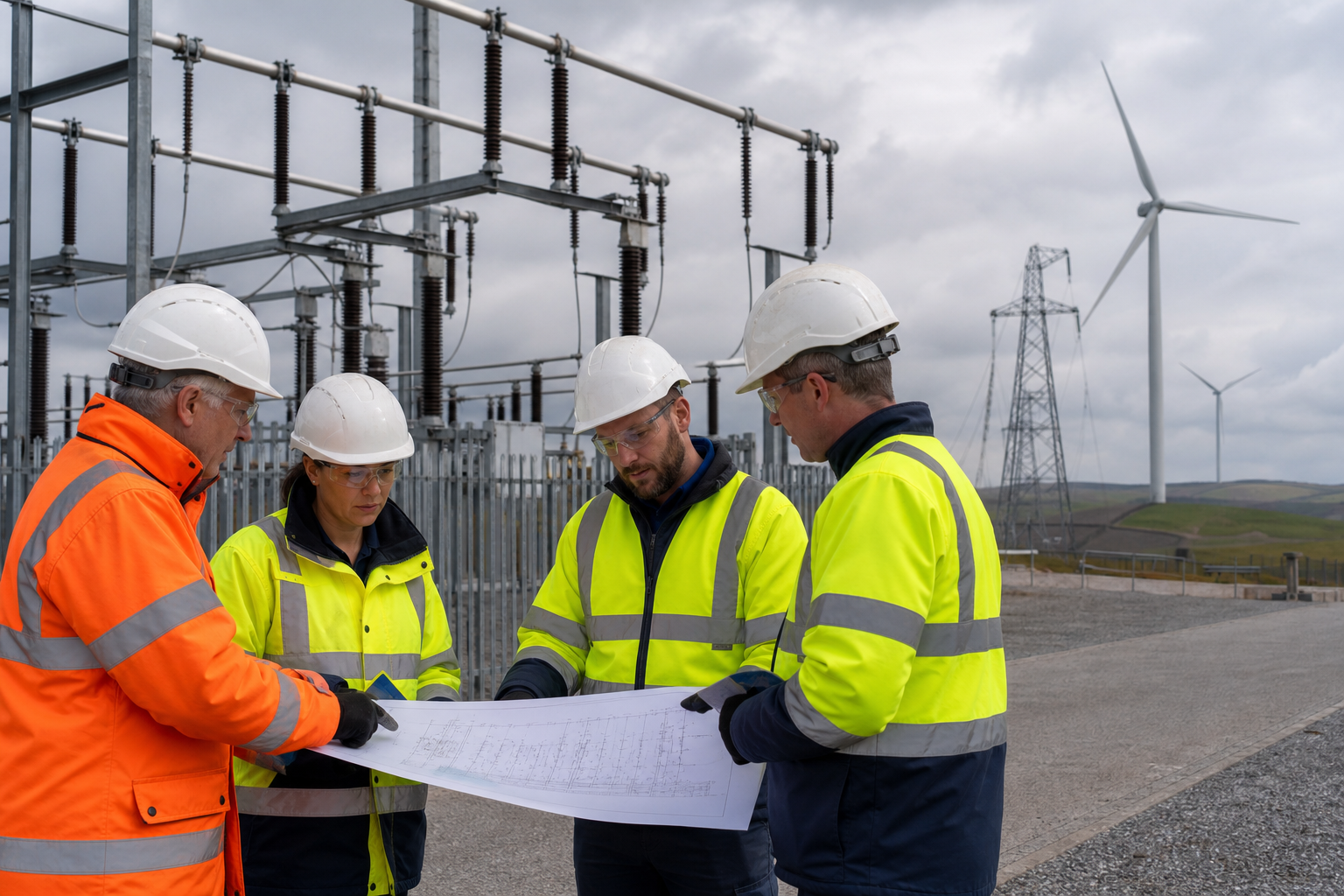
Prime minister Andy Burnham is set to announce the creation of Great British Grid, or GB Grid, with access to up to £4bn from Great British Energy’s existing budget.
The organisation is due to be unveiled at the Labour Party conference in Liverpool, which runs from 27 to 30 September 2026. It forms part of Burnham’s wider plans to increase public control of UK utilities.
GB Grid would be the UK’s first publicly owned electricity network organisation since the privatisation of the electricity network began in the 1980s. Media reports have also indicated that it could enable businesses to build their own connections to the grid.
Public control
Burnham is expected to say: “We have a cost crisis. We all know it. The price of energy is crippling for businesses, and British bill payers pay some of the highest energy costs in Europe.
“We have an energy system where prices are dictated in markets miles away, while families and businesses here shoulder the costs.”
He will add: “Once again, the British public has lost control.
“Within 10 years, I want our energy costs to be in line with other nations in Europe. That means we must reform a broken energy market so it serves the public interest.”
Industry response
Greenpeace UK policy director Doug Parr welcomed the proposed organisation, saying improved grid infrastructure was urgently needed to move renewable electricity around the country.
However, Parr said £4bn was “not a game-changer” against Ofgem’s estimate that grid upgrades would cost £70bn over the next five years. He also warned that using Great British Energy’s existing budget could reduce support for emerging technologies including floating offshore wind and long-duration energy storage.
Lawrence Slade, chief executive of the Energy Networks Association, said network operators were investing tens of billions of pounds to upgrade the grid and were keen to work with government on measures that reduced energy costs while delivering the infrastructure required for clean, affordable and secure power.
Slade said the investment would maintain one of the world’s most dependable electricity systems, with UK electricity networks operating at 99.99% reliability. He added that the forthcoming Electricity Networks Sector Growth Plan would prioritise spreading the economic benefits of network investment and supporting the domestic energy infrastructure supply chain.
Tony O’Carroll, chief executive of Conrad Energy, said the ageing grid and its historic design around large thermal power stations had become “the most significant obstacle” to creating an energy system suited to the UK’s current needs.
“If the creation of ‘GB Grid’ can contribute to solving that problem, then that will be a welcome initiative,” he said.