

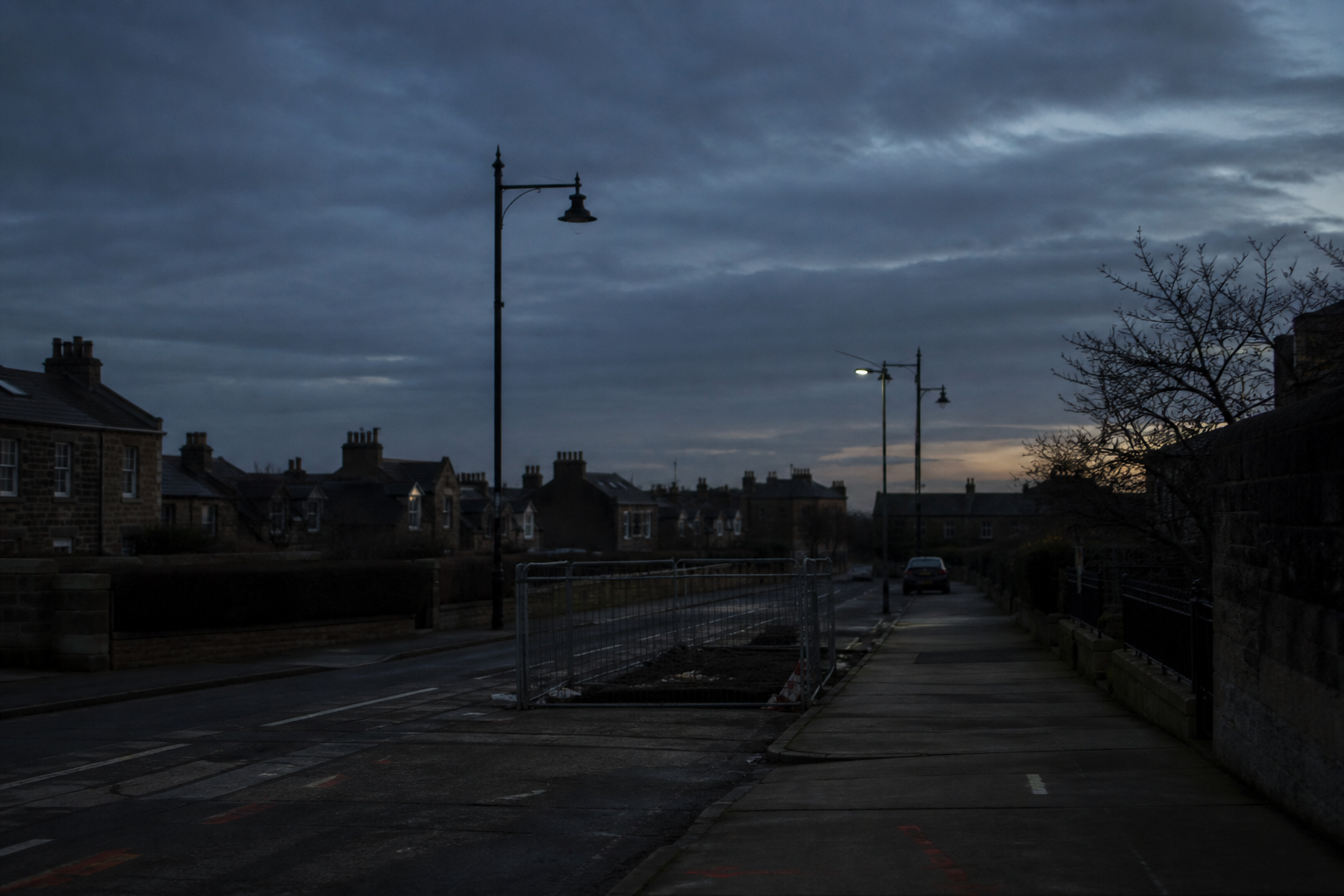
East Lothian Council is considering replacing street-lighting supply cables operated by ScottishPower with a network it would maintain itself, after prolonged blackouts became a major source of complaints.
A council report says faults on the electricity distribution network can affect several lighting columns at once, leaving larger areas without street lighting. Repairs to faults affecting multiple lights can take up to four weeks, according to council officers, while single-light faults may take longer.
Split responsibilities
About a third of the cabling used by East Lothian’s street-lighting network is operated by ScottishPower. That means an unlit street may result from a fault outside the council’s directly maintained assets, even though residents generally report the problem to the authority.
The report recommends considering replacement of the ScottishPower supply cables with a council-maintained network. The proposal is intended to improve service reliability and give the council greater control over repairs.
SP Energy Networks, which operates the relevant electricity distribution assets, said it understood the frustration caused when faults affect multiple lighting columns. It said repair times could vary according to the nature and location of the fault, network condition, excavation requirements and traffic management.
Ageing lighting assets
The cable proposal comes as the council also faces a substantial backlog of ageing lighting columns. More than 5,000 columns—around one in four—have exceeded their expected working life.
Replacing the backlog is estimated to cost about £14m, while available funding currently supports the replacement of roughly 200 columns a year.
The council says 99% of its street lights have been converted to LED, cutting energy costs by 60%. However, the LED upgrade has not removed the need to renew older columns, cabling and other supporting infrastructure.
The report highlights the asset-management challenge created when lanterns, columns, cables and electricity supplies have different ownership and maintenance arrangements. Bringing more of the network under council control could reduce one source of lengthy outages, but would not resolve the separate backlog of ageing columns.