

Nearly two-thirds of UK drivers believe graduated driving licences could reduce road crashes, according to research published as Northern Ireland introduces its own scheme for newly qualified motorists.
A survey of 1,501 UK drivers by Tempcover found that 63% supported the potential road-safety benefits of graduated driving licences (GDLs) if they were introduced across the UK.
Northern Ireland scheme
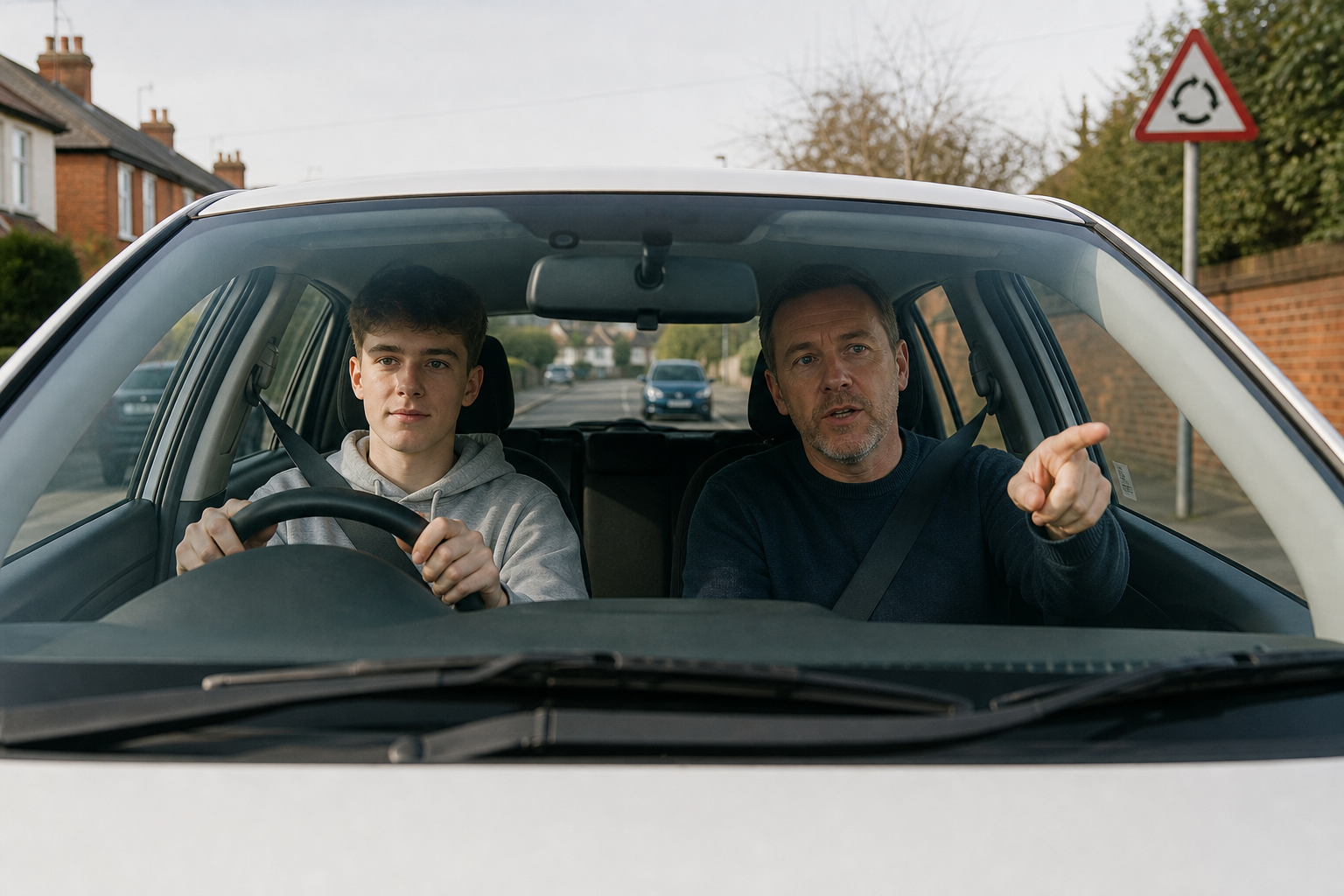
Under Northern Ireland’s new system, learner drivers must wait six months after receiving a provisional licence before taking their practical test and complete 14 training modules.
After passing, they must display an R plate for 24 months. Drivers under 24 will also be restricted from carrying young passengers between 11pm and 6am during their first six months of driving.
The measures are intended to give inexperienced drivers more time to develop their skills and reduce risks associated with night-time journeys and carrying groups of young passengers.
Tempcover’s research found that 41% of respondents thought graduated licensing could reduce crashes involving young drivers. A further 35% believed it could help young people become safer drivers, while 34% said it could encourage safer driving habits over the longer term.
Concerns over independence
Some respondents raised concerns that restrictions could reduce young people’s independence, make everyday travel more difficult or discourage them from learning to drive.
Claire Wills-McKissick, learner driver insurance expert at Tempcover, said the measures were intended to target risks specific to new drivers.
“Extending the supervised learning phase gives more time to experience a wider variety of road and weather conditions, helping new drivers build stronger, instinctual driving habits,” she said.
Wills-McKissick added that limiting late-night passengers could reduce distractions during more challenging journeys.
Graduated licensing schemes already operate in countries including the Republic of Ireland, Australia and New Zealand, as well as parts of the United States.
The approach has also been debated at Westminster, although the UK Government has previously said it had no plans to introduce a graduated driving licence scheme for young and newly qualified drivers.
Tempcover said reducing collisions among younger motorists could also affect insurance costs, with drivers aged 17 to 25 generally facing higher premiums because they are more likely to be involved in accidents.