

Victims of crime and unwanted behaviour on public transport are being deterred by a confusing and inconsistent reporting process, London TravelWatch has warned.
The transport watchdog said its research had identified “fundamental flaws” in the reporting journey, including uncertainty over where to report incidents, poor experiences during reporting and a lack of confidence that action would follow.
While four in five people surveyed said they would report an incident if they experienced one, only two in five actually made a report, according to the research. London TravelWatch said the difference risked leaving victims without support and creating a “significant gap” in understanding the scale and nature of crime on the network.
Call for a single reporting pathway
London TravelWatch said the current fragmented process should ultimately be replaced with a streamlined system offering a “single front door” for passengers. It called for transport operators and policing authorities to review the reporting journey and make it simple, supportive, accessible and trusted.
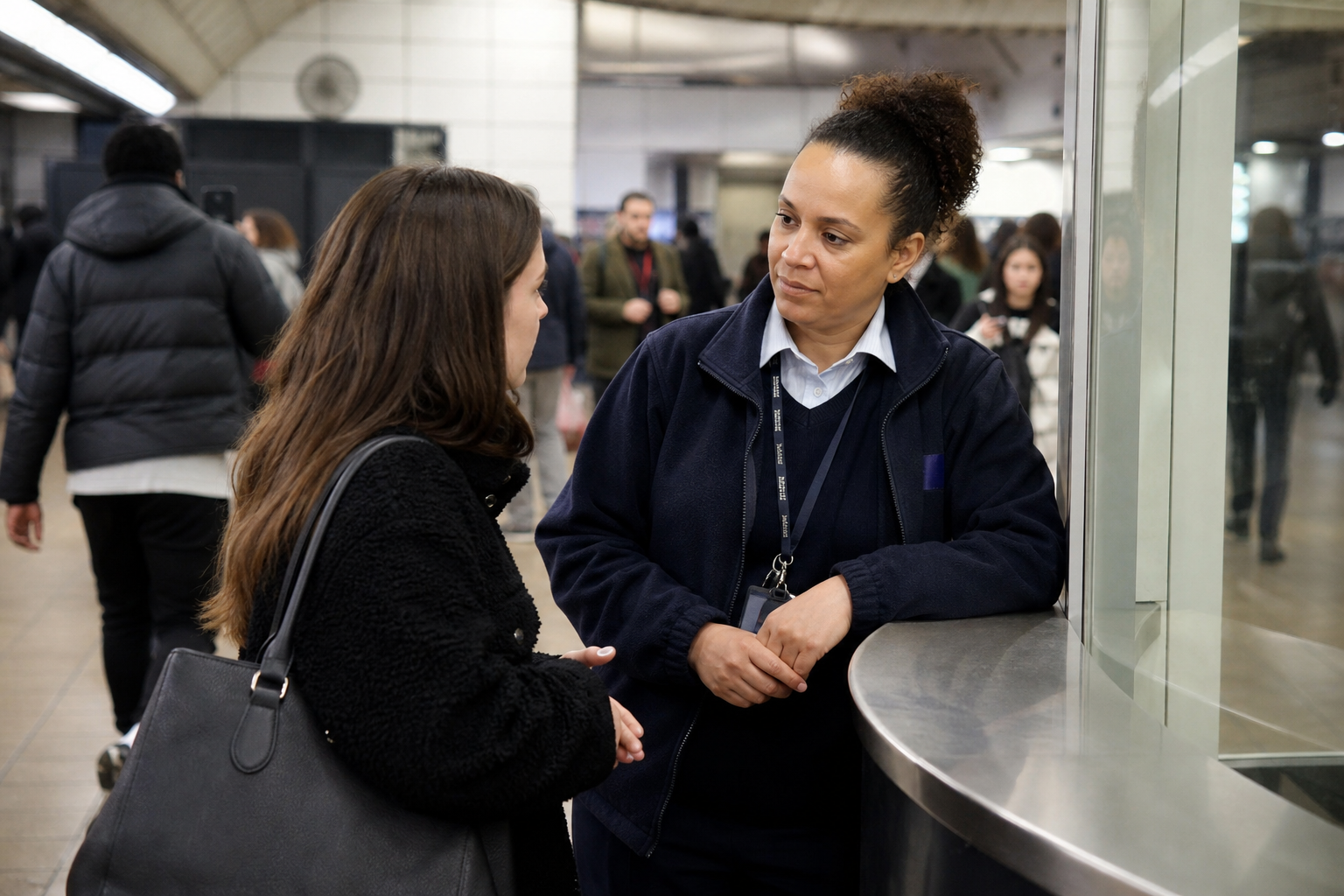
In the short term, the watchdog said staff should receive more training and be empowered to provide a proactive and compassionate first response, make supportive referrals and give victims regular updates.
It also called for further public awareness campaigns explaining why and how incidents should be reported, alongside consistent and empathetic responses throughout the process. Independent monitoring should be used to assess performance and identify improvements, it said.
Michael Roberts, chief executive of London TravelWatch, said: “This research has been vital in furthering our understanding of the reporting process and its complexities – and it is clear that the process has fundamental flaws that not only prevent people from reporting crimes, but also prevent us from gaining a full picture of the prevalence and type of hate crimes that people sadly experience.”
He added: “We now want to see the operators and policing authorities commit to making real change to improve the process for people, starting with the shorter term recommendations we have outlined in this research.”
Police response
British Transport Police chief inspector Cheryl Ling said reporting routes should be accessible and straightforward. She highlighted the force’s text 61016 service, which allows passengers to report crime discreetly and free of charge.
Ling said BTP received a 20% increase in reports last year, which it believed indicated growing confidence among victims and bystanders, particularly women and girls, to come forward.
Detective chief superintendent Donna Smith of the Metropolitan Police Service said every victim should be listened to, supported and taken seriously. She said the force welcomed the research and remained committed to working with transport partners to improve the reporting experience and use reports to target offending.