

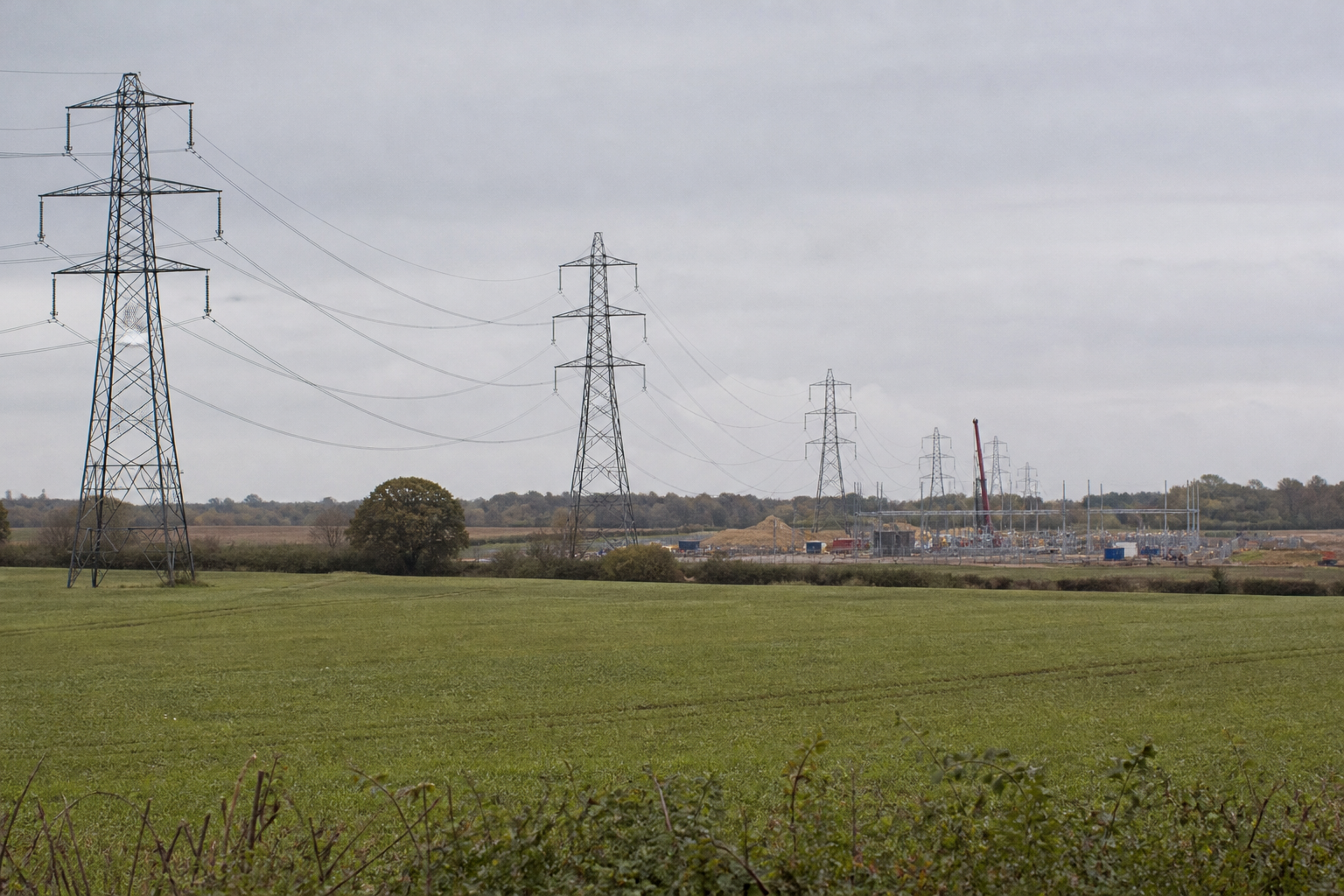
Ofgem has approved £642.1 million for National Grid Electricity Transmission’s Bramford to Twinstead electricity transmission project in East Anglia, after reducing the company’s requested allowance by £60.6 million.
The regulator said the upgrade would increase network capacity between Suffolk and Essex, allowing more renewable and low-carbon generation to connect while helping reduce the costs of managing constraints on the electricity grid.
New lines and substations
The project will include 18km of new overhead line, 11km of underground cable, a new substation at Twinstead Green and upgrades to the existing Bramford substation.
It is part of National Grid Electricity Transmission’s wider Great Grid Upgrade programme and has been fast-tracked through Ofgem’s Accelerated Strategic Transmission Investment (ASTI) framework. ASTI covers 26 strategically important transmission projects intended to support the expansion of the electricity network.
Ofgem approved £642.1 million against a submitted request of £702.7 million. The decision confirms the regulator’s earlier minded-to decision, set out in its project assessment in January.
Consumer costs and savings
Ofgem said the project’s costs and forecast benefits were included in the RIIO-3 investment package, which runs to March 2031. The package is forecast to add £108 to bills by 2031, with around £60 of that amount relating to new electricity infrastructure, including Bramford to Twinstead.
According to Ofgem, the transmission infrastructure investment included in RIIO-3 is expected to add £60 to bills by 2031 but deliver estimated savings of £80 compared with not investing in the grid. The regulator said it would continue to assess project spending through the relevant regulatory processes.
Beatrice Filkin, Ofgem’s director of major projects, said: “Britain needs a bigger, stronger electricity grid to connect more homegrown clean power, strengthen energy security and reduce the bottlenecks that can add costs to the system. The cost of building this infrastructure now will be less than the longer-term cost of doing nothing.
“But every penny invested must deliver value for consumers. We’ve assessed NGET’s proposed project budget and cut £60.6 million from it, making sure this vital upgrade can go ahead whilst also protecting consumers from any unnecessary costs.”
She added: “This decision supports the investment needed to modernise Great Britain’s grid and to deliver cleaner power and value for money for the British consumer.”
Funding through network charges
Ofgem does not provide direct funding to transmission owners. Under the RIIO price control framework, companies finance capital investment through debt and equity, with efficient costs recovered over time through allowed revenues and network charges paid through consumer bills.
Future allowances for Bramford to Twinstead will remain subject to Ofgem’s assessment of whether costs are necessary, efficient and properly evidenced. The regulator said timely delivery of the project should help reduce constraint costs, which arise when wind generators are paid to reduce output because the network cannot carry all the electricity being produced.