

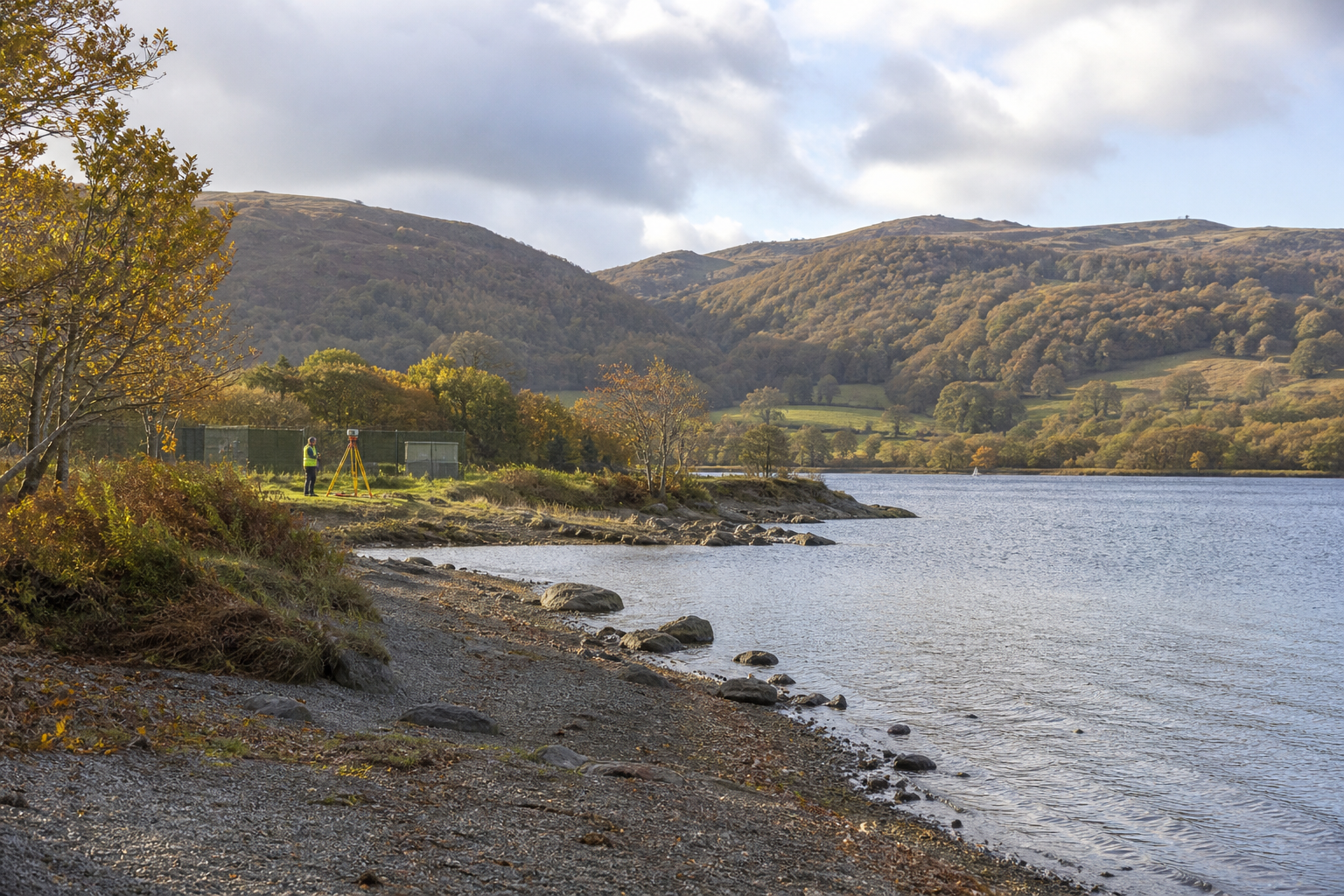
A wastewater and drainage scheme costing between £3.6bn and £3.7bn has been proposed to protect Windermere, with plans for up to 138km of new sewers, a transfer tunnel and 37ha of sustainable drainage.
The Only Rainwater into Windermere feasibility study, published on 21 October, says the preferred options could generate £7.5bn in economic, environmental and social benefits. That equates to about £1.90 for every £1 invested, according to the report.
The study was produced by a coalition comprising the Environment Agency, Lake District National Park Authority, Love Windermere, Save Windermere, United Utilities and Westmorland and Furness Council.
Wastewater and highway runoff
Both options would intercept and transfer wastewater away from Windermere for advanced treatment, while also capturing highway runoff. The proposed infrastructure could increase wastewater provision across the catchment by up to 75% and connect about 12,800 people to public sewers for the first time, the report says.
A new tunnel would transfer wastewater to treatment facilities capable of meeting what the study describes as some of the highest treatment standards in England. The proposals are also intended to benefit connected water bodies, including Grasmere, Rydal Water, Elterwater, Esthwaite Water and Blelham Tarn.
The coalition assessed more than 70 potential solutions before selecting two options to take forward. Extensive underground tunnelling is proposed to limit disruption to communities, businesses and the surrounding landscape.
Seven-year construction programme
Subject to detailed design, planning, environmental assessment and regulatory approvals, construction is expected to take seven years. The estimated investment requirement is between £3.6bn and £3.7bn.
The report warns that rising temperatures and more intense rainfall will put additional pressure on wastewater infrastructure and worsen existing ecological pressures. These include nutrient enrichment, increased algal biomass and impacts on sensitive freshwater habitats and species.
It estimates that about £2.5bn of incremental investment in existing infrastructure would otherwise be needed over the next 100 years. However, the report says treated wastewater would still be discharged into Windermere under the proposed approach, continuing to add to the nutrient load associated with harmful algal blooms.
The study also identifies potential employment and training benefits across Cumbria, including the development of a proposed skills academy.
United Utilities chief executive Louise Beardmore said: “After assessing more than 70 options, two have been selected to progress into detailed design, with the potential to deliver lasting environmental, social, and economic benefits across the catchment.”
Save Windermere founder Matt Staniek said: “The evidence from the report is clear: eliminating sewage pollution will tackle the most significant controllable cause of the problems we are seeing today, create the conditions for ecological recovery, strengthen the lake’s resilience to climate change and boost the local economy.”
The partners are calling for continued collaboration with government, regulators, delivery partners and local stakeholders as they consider the findings and explore detailed design, planning, environmental assessment and funding.