

The Chartered Institute of Logistics and Transport (CILT (UK)) has called on the Chancellor to accelerate investment in cleaner transport while helping operators manage rising fuel and electricity costs.
In advance of the Autumn Budget on 28 October, the institute said high energy costs and limited grid capacity were putting pressure on transport operators, logistics businesses and supply chains. It urged the Government to make electricity more affordable for companies investing in electric vehicles, rail equipment and maritime electrification.
Support for operators and electrification
CILT (UK) also called for the existing 5p-per-litre fuel duty cut to be maintained in the short term while oil prices remain high. It said removing the support could increase financial pressure on road freight, logistics and delivery businesses, with potential knock-on effects for consumers and the wider economy.
Daniel Parker-Klein, director of policy and communications at CILT (UK), said: “Fuel costs are not just a concern for motorists. They directly affect the cost of keeping supply chains and public transport moving. The sector is already feeling the strain of rising costs, and maintaining the existing 5p fuel duty cut is an important consideration while world oil prices remain high. But we also need to look beyond immediate cost pressures and ensure businesses have the confidence and practical support to invest in cleaner transport.”
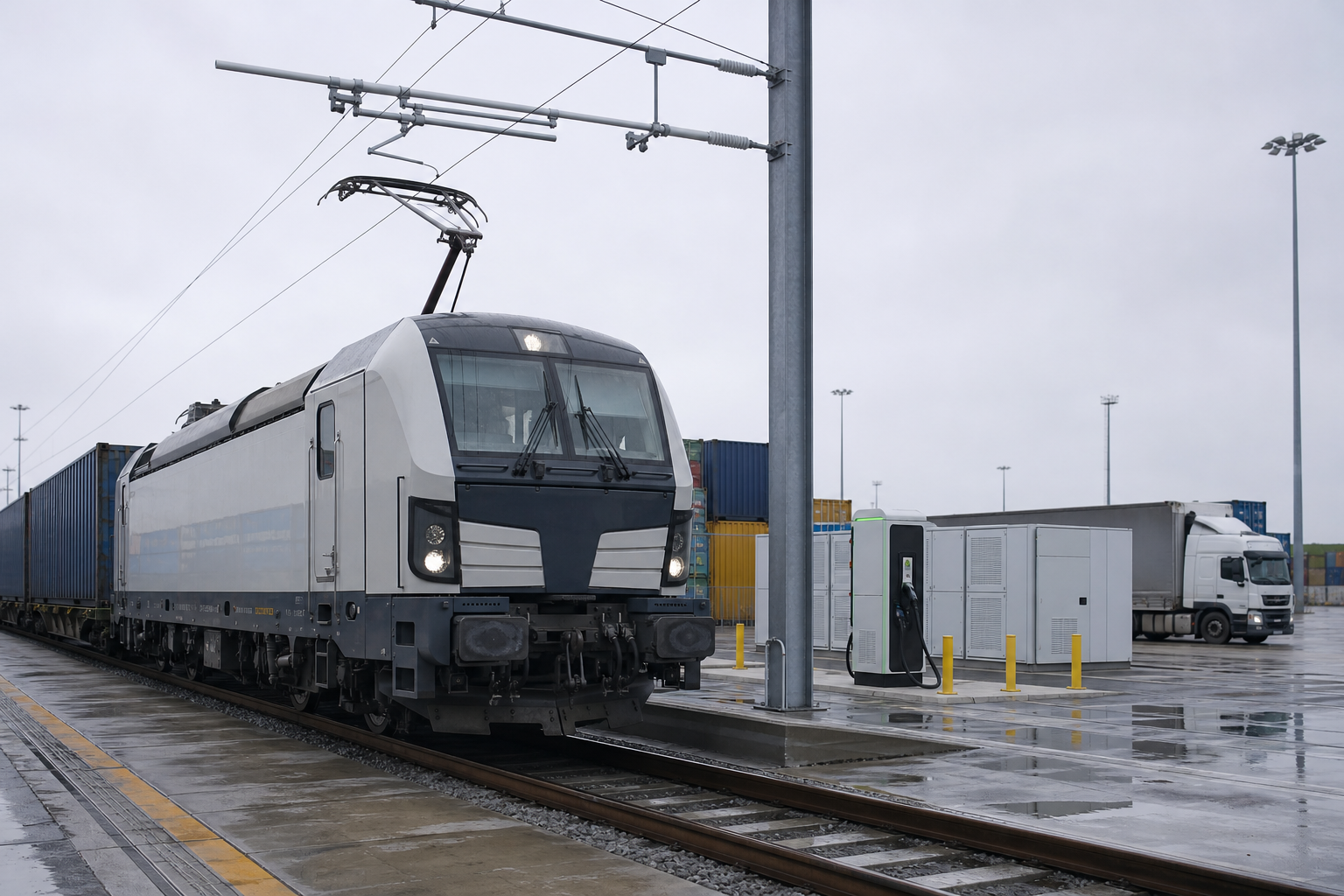
The institute said high electricity prices and inadequate grid connections were making it harder to expand electric vehicle fleets and charging facilities, as well as to operate additional electric rail services. It added that some electrified rail routes did not have enough power capacity for all the services that could potentially use them, leaving freight trains reliant on diesel.
Road, rail and maritime priorities
CILT (UK) wants the Budget to support electrification across road and rail freight, alongside short-sea ferry services and shore power at ports. It said affordable electricity and dependable grid connections would allow vessels to switch off onboard engines while berthed.
“The Government should increase support for the electrification of freight transport, across both road and rail, and address the barriers that make the transition more difficult,” Parker-Klein said. “This includes supporting short-sea ferries and ensuring ports have the affordable electricity and reliable grid connections needed to provide shore power to vessels at berth.”
The organisation is also seeking investment in key rail freight routes linking container ports with quarries, distribution centres, manufacturing sites and areas earmarked for development. It said funding and practical measures were needed to support the Government’s stated targets for rail freight growth of 40% by 2040 and 75% by 2050.
CILT (UK) said reliable road infrastructure remained essential to supply chains, citing reported cancellations of major schemes including the A127 Corridor for Growth scheme in Essex as a concern for infrastructure supporting economic growth.
Call for a balanced Budget approach
The institute has urged the Chancellor to review taxes and levies affecting businesses using or investing in electric commercial vehicles, rail equipment and maritime electrification. It also wants improved grid access for charging infrastructure, rail power supplies and port shore power.
CILT (UK) said Budget decisions should support wider priorities including housebuilding, trade, infrastructure development and rail freight growth, while giving businesses practical support to adopt electrification, sustainable fuels and other lower-emission solutions.
“Making electricity more affordable, improving grid access and investing in the infrastructure needed for cleaner transport will help businesses make the transition to more sustainable operations,” Parker-Klein said. “The Government must ensure that businesses have the confidence and practical support to invest in cleaner options for the future.”