

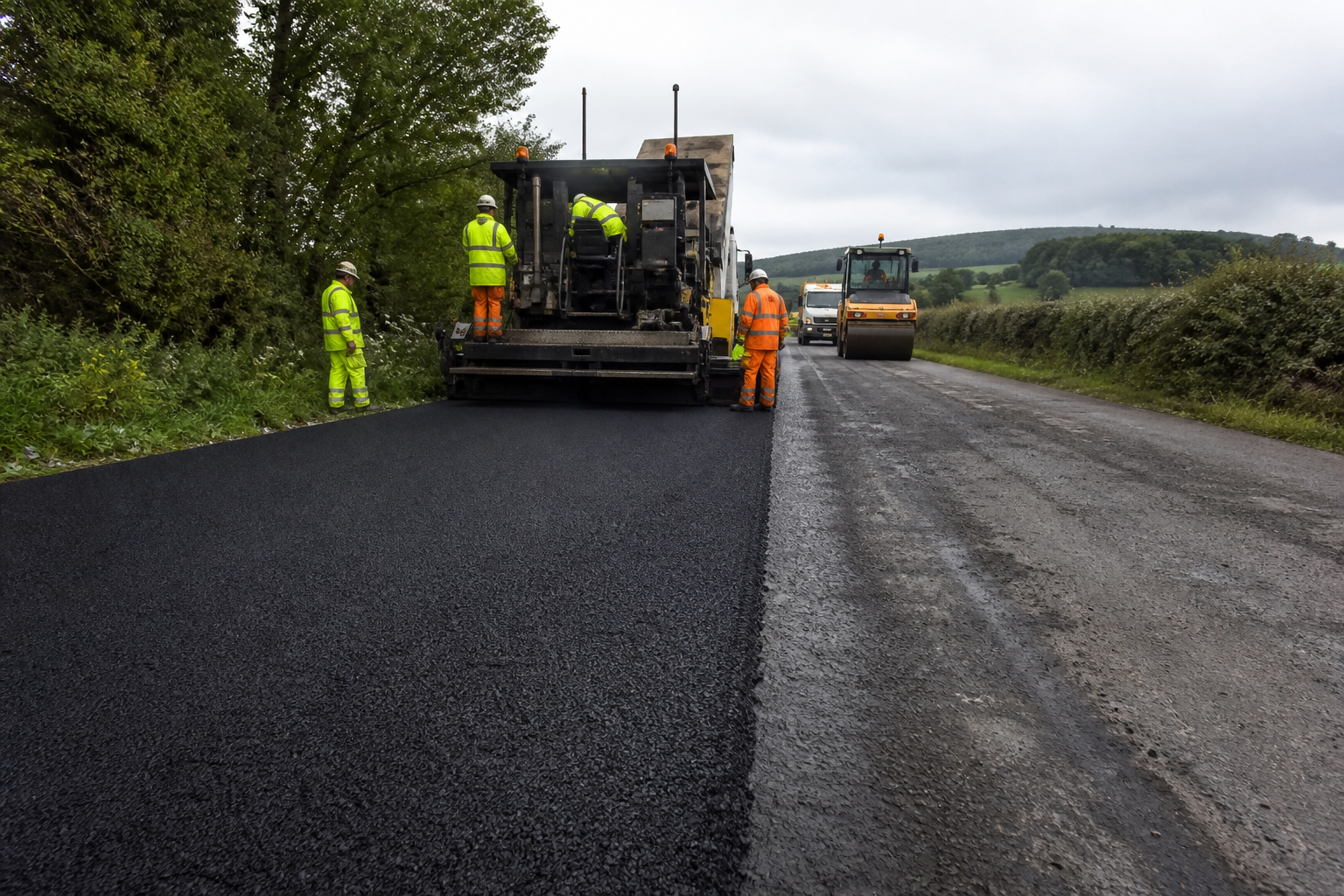
Local authorities in England have reported record spending on road maintenance, with total expenditure rising to about £4.9bn, according to figures published by the Department for Transport (DfT).
Councils reported resurfacing nearly 11,265km of carriageway in 2026, around 10% more than the previous year. Their reported spending is also about £800m higher than two years ago.
Incentive funding tied to performance
The government has announced a further £220m in incentive funding for councils. The money is intended for authorities that meet specified performance targets, with additional tranches potentially released later in the year.
Funding can be withheld if councils miss the targets, under measures intended to increase accountability for road maintenance delivery.
The DfT said its wider road maintenance programme is worth £7.3bn and is beginning to deliver improved local road surfaces.
Greater focus on preventative work
Submitted council reports indicated that 94% of authorities plan to carry out preventative roadworks this year, up from about 76% the previous year.
The approach is intended to slow road deterioration before potholes develop, alongside conventional repairs. The government said the figures showed that increased funding and preventative maintenance were helping to address the long-running pothole problem.
Transport secretary Heidi Alexander said: “For too long potholes have been a source of national embarrassment, forcing hard-working people to fork out for repairs and posing a danger to all road users. But today’s figures show that we are starting to turn a corner.
“While we know there is much more to do, our record funding, combined with tough new rules holding councils to account, mean that drivers are making smoother journeys while giving people roads they can rely on.”
RAC calls for evidence from road users
RAC head of policy Simon Williams described the data as “encouraging”, highlighting the increase in resurfacing and preventative maintenance.
“It’s good to see so many miles of road being resurfaced, but it’s also positive that the preventative maintenance message has got through as we’ve long argued that councils need to take steps to stop potholes appearing in the first place, and not just patch them up,” he said.
Williams added that surface dressing, when carried out properly, was “a very cost effective way of improving more roads for the long term”.
He said the impact would ultimately be judged by whether drivers and other road users noticed an improvement, adding: “Getting the country’s roads up to a decent standard, and keeping them there, isn’t an overnight job. But at least we’re now on the right track.”