

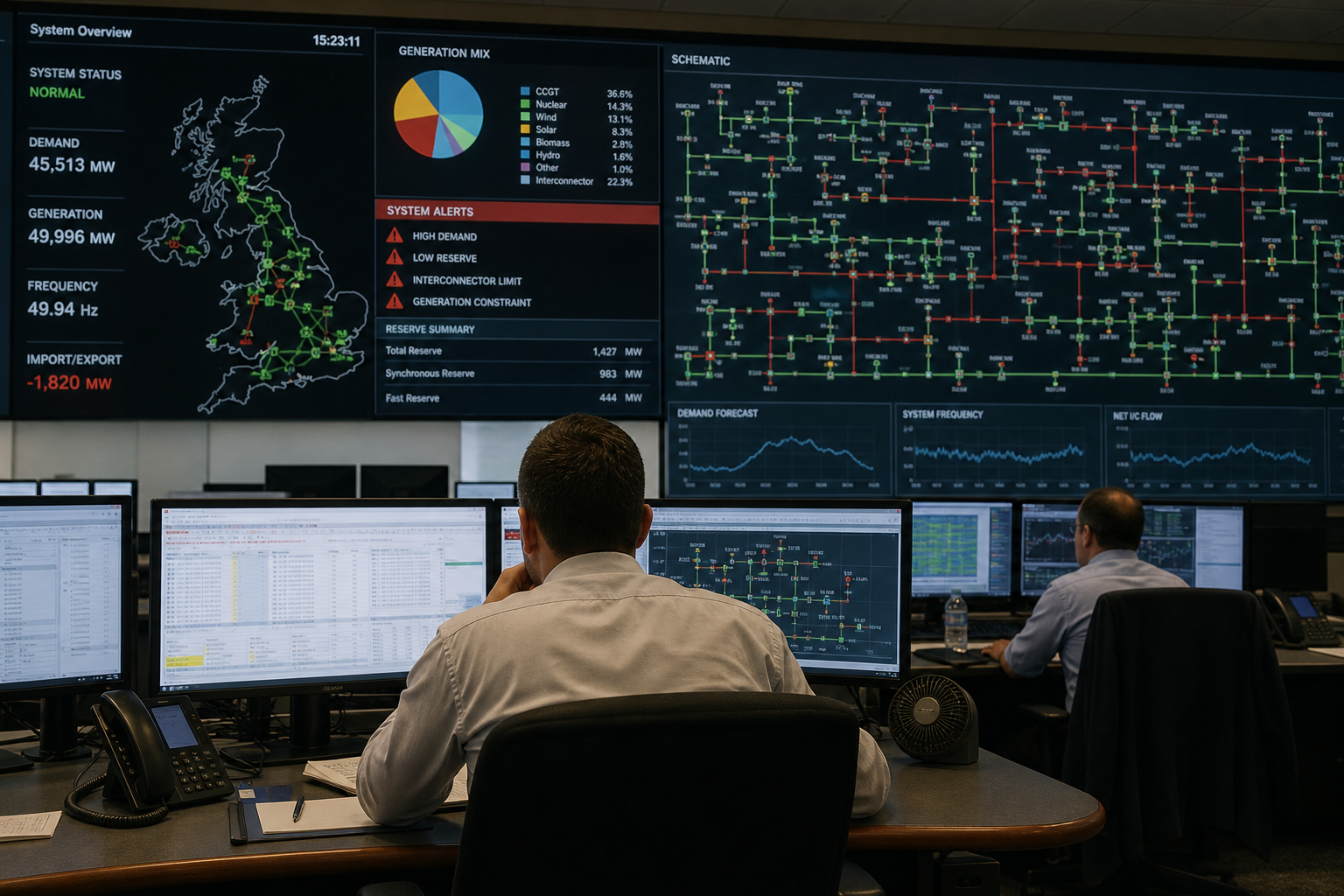
Ofgem has found no evidence to substantiate allegations that the National Energy System Operator (Neso) altered records or interfered with decisions to protect its reputation during the June 2026 heatwave.
However, the regulator said its separate technical review had yet to establish whether Great Britain’s electricity system remained secure, whether Neso followed the correct operational procedures and whether market communications were accurate.
Investigation examined whistleblower claims
The findings follow allegations raised in July by shadow energy minister Claire Coutinho, who said a whistleblower had claimed Neso was concealing information about the security of the electricity grid.
Coutinho also alleged that Neso’s corporate affairs function had interfered with operational decisions intended to stabilise the system. She asked the Information Commissioner to investigate the claims.
Neso’s board commissioned law firm Eversheds Sutherland to carry out an independent investigation on 13 July. Its final report, published on 19 October, reviewed more than 300 documents and included evidence from 36 witnesses.
The investigation found no evidence that operational records had been deliberately altered, deleted or withheld to avoid Freedom of Information obligations. It also found no witness who had been instructed to delete, alter or suppress records, and no documentary evidence of inappropriate version changes.
It did, however, identify concerns about Neso’s working culture and governance. The report cited high operational stress, a disconnect between the Electricity National Control Centre and executive leadership, reputational sensitivity affecting perceptions of operational independence, and a gap between formal “Speak Up” commitments and staff experience.
Ofgem continues technical review
Ofgem’s update said the heatwave, which began on 22 June, created unusually high electricity demand in Great Britain and Europe while reducing available supply in several markets.
Extreme temperatures reduced the availability of parts of France’s nuclear fleet, while combined-cycle gas turbine plants in Great Britain were unable to operate at full capacity. The resulting market conditions produced periods of reduced electricity margins and high prices across Great Britain and neighbouring markets.
Ofgem said its ongoing technical review would examine whether the system remained secure, whether Neso made appropriate operational decisions and followed its documented order of actions, and whether it was prepared for restrictions on interconnector trading.
The regulator has published Neso’s interim factual account and expects to receive its final report before the end of 2026. It said the review would consider whether any issues identified by Eversheds Sutherland affected operational decisions, system security or consumers.
Ofgem chief executive Tim Jarvis said the regulator took the review’s findings “very seriously”. He said the investigation had not upheld the specific allegations, but had raised “important and concerning issues” about working culture and practices at Neso.
“Where there is potential for consumer impact, we will set clear expectations for change and monitor closely,” Jarvis said.
Neso commits to action plan
Neso chair Paul Golby said the investigation had been conducted independently and comprehensively, adding that its findings showed “no evidence to substantiate any of the allegations around inappropriate influence over decision-making or inappropriate record-keeping processes”.
Golby said the board would oversee plans to address the report’s findings and ensure they were implemented urgently.
Neso chief executive Fintan Slye described the investigation as constructive and said the organisation would act on its recommendations in cooperation with trade unions. He added that he wanted all Neso staff to feel heard.