

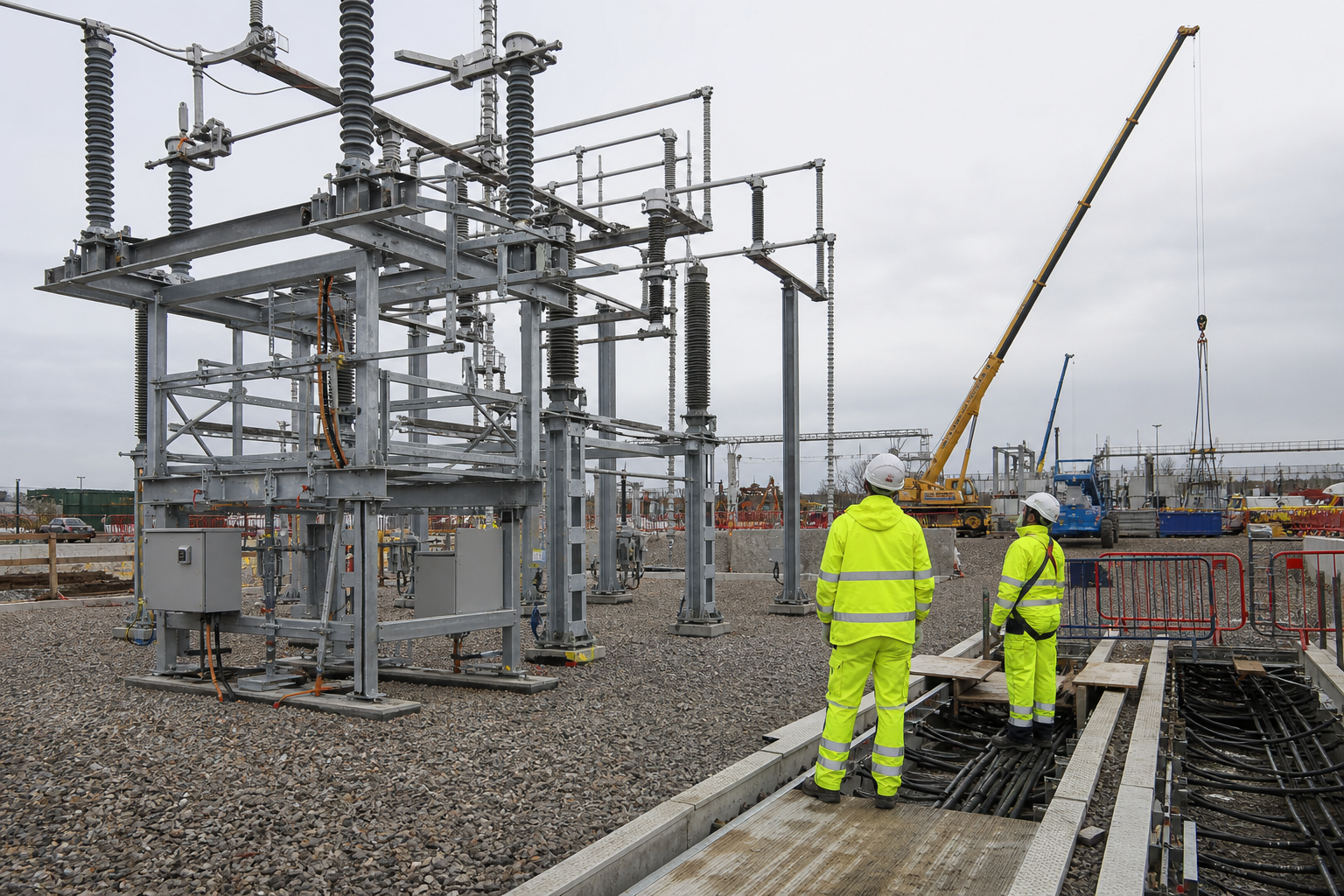
Electricity network companies have published a plan forecasting up to £200bn of investment in the UK’s transmission and distribution infrastructure over the next decade.
The Electricity Networks Sector Growth Plan, published on 20 October by trade association Beama and the Energy Networks Association (ENA), says the programme could generate £58bn in gross value added and support more than 210,000 jobs by 2035.
Beama and the ENA said up to 72p of every pound invested could remain in the UK economy, benefiting domestic manufacturers, professional services firms and wider supply chains.
Industry partnership
The plan was developed with contributions from 21 Beama members, including Schneider Electric, Siemens and Hitachi, and 10 ENA members, including National Grid, UK Power Networks and Scottish and Southern Electricity Networks.
The Department for Energy Security and Net Zero, the National Energy System Operator, Ofgem and the National Infrastructure and Service Transformation Authority also contributed.
The organisations said the investment could create opportunities for apprentices, engineers and senior professionals, while supporting manufacturing, construction and network operations. They plan to establish an “Electricity Networks Growth Partnership” to oversee delivery.
Phil Dingle, Lucy Electric director and co-chair of the sector growth plan, described the proposed partnership as “the delivery body, the driving force”. He said Energy Minister Michael Shanks had committed to chairing an overview group.
Beama chief executive Yselkla Farmer said a strategic board involving government, regulators, GB Energy, Beama, the ENA and supply chain representatives would be formed in the coming weeks.
“We have published this plan, and it will be pretty embarrassing if we don’t do it,” Farmer said when asked how progress would be held to account.
Call for long-term visibility
Industry leaders said manufacturers and service providers needed greater visibility of future network work to justify investment in facilities, equipment and skills.
National Grid UK president Cordi O’Hara, who also co-chairs the plan, said long-term visibility, early commitment and partnership would give businesses confidence to expand.
Dingle said global production of grid equipment was already under pressure and argued that the UK needed to become a location where manufacturers chose to build new factories. He said companies required a clear view of future demand before committing investment.
ENA chief executive Lawrence Slade said the transformation of the networks would enable the connection of more clean, secure and affordable energy while supporting employment in network operation, manufacturing, engineering, construction and the wider supply chain.
Ofgem director general for infrastructure Akshay Kaul welcomed the plan but said the focus now had to be on delivery.
“With government, industry and the regulator working together, there is a real opportunity to maximise the benefits of investment in Britain’s electricity networks,” he said.