

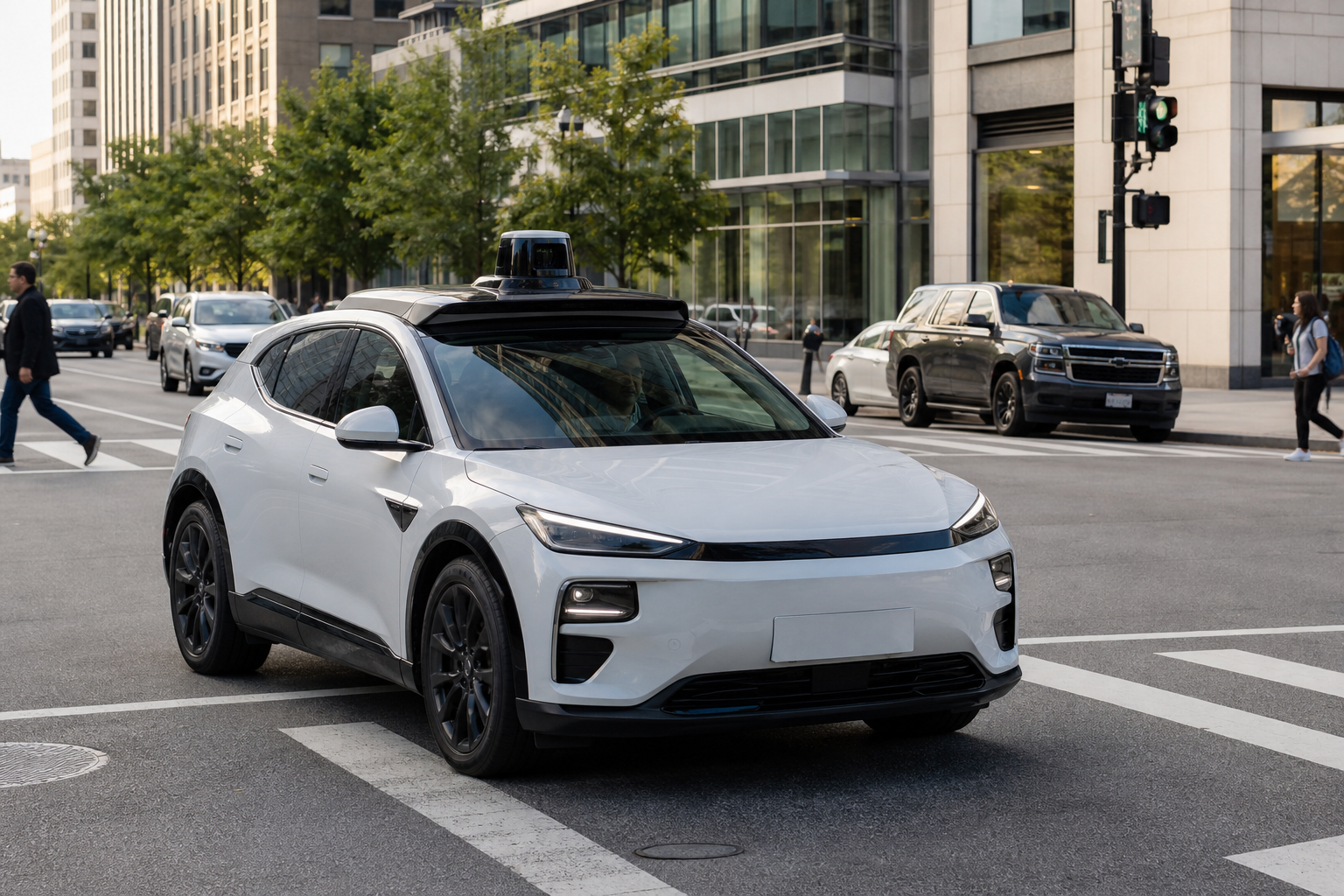
Waymo’s driverless vehicles were involved in 68 per cent fewer crashes per mile than human-driven cars across four US cities, according to a study by the Insurance Institute for Highway Safety (IIHS).
The researchers compared around 50 million driverless miles travelled by Waymo vehicles with approximately 222 billion miles driven by people in San Francisco, Phoenix, Los Angeles and Austin. Crash rates were 76 per cent lower in Phoenix, 71 per cent lower in Los Angeles and 35 per cent lower in San Francisco. In Austin, where the sample was small, the rate was 4 per cent higher.
Injury crashes were 81 per cent lower
Waymo vehicles recorded 85 per cent fewer single-vehicle crashes and 81 per cent fewer crashes involving injuries, the study found.
To make the comparison more consistent, the researchers reviewed crash reports from Waymo, Cruise, Zoox and other companies covering 2021 to 2024. They excluded duplicate reports, incidents when automated driving was not engaged, events away from public roads and cases that did not constitute a crash. The analysis counted incidents that an ordinary driver would be expected to report to police.
The IIHS said this adjustment was necessary because automated vehicle companies report minor collisions that human drivers may not report. It cited estimates that people report about half of all crashes and around two-thirds of injury crashes.
Eric Teoh, who led the study, said the findings were encouraging signs for driverless vehicles.
Safety benefits from driver-assistance systems
The findings follow a separate study published by Waymo in March, which reported 92 per cent fewer crashes involving death or serious injury than human drivers in comparable urban environments. That analysis also reported 92 per cent fewer pedestrian injuries, 83 per cent fewer crashes involving airbag deployment and 96 per cent fewer injury crashes at intersections.
The IIHS research also highlighted safety gains from driver-assistance technology in conventional vehicles. Automatic emergency braking with pedestrian detection was associated with a 27 per cent reduction in pedestrian crashes, while automatic braking halved rear-end crashes and reduced injuries in those collisions by 56 per cent.
Automatic emergency braking is due to become mandatory in all light vehicles in the US by 2029. More than 90 per cent of new models already comply, according to the study material. Vehicles fitted with the system alone had 13 per cent fewer property-damage insurance claims, while models with multiple assistance features, including adaptive cruise control and lane-departure warnings, had up to 39 per cent fewer claims.